

How to Safeguard Fragile High-End HVAC Systems From Nesting Rodents
Rodents can seriously damage HVAC systems by chewing wiring, nesting inside equipment, and contaminating ductwork with droppings and urine. The best protection combines residential pest control services that can identify hidden access points before infestations cause expensive repairs or reduce indoor air quality with: Routine inspections Sealing entry points Good sanitation The
How to Identify Signs of German Cockroach Infestation
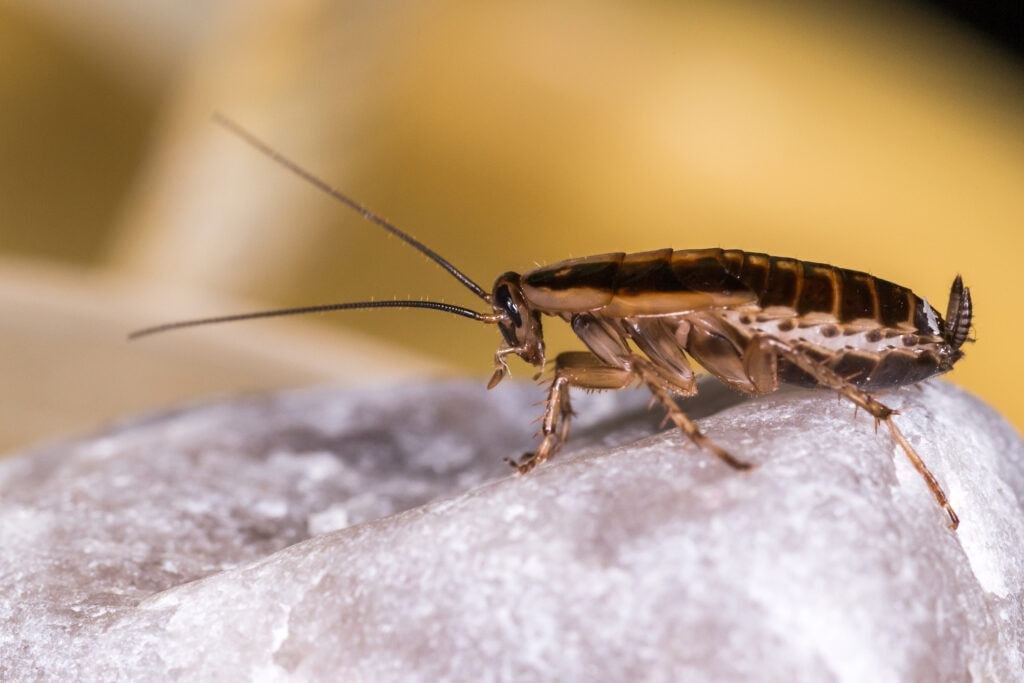
Signs of German cockroach infestation often appear long before homeowners see large numbers of roaches. Small droppings, bad odors, egg cases, and nighttime activity are some of the earliest warning signs. Catching these problems early can help stop a small issue from turning into a serious infestation. According to the CDC, cockroach
How Can I Prepare My Home for Spring for Pest Control?
Preparing your home for spring pest control comes down to sealing entry points, removing what attracts pests, and staying consistent with simple maintenance before activity spikes. A few early steps can stop infestations before they start and make your home far less appealing to insects and rodents. As temperatures rise, pests shift
How Do Roaches Get In a House? A Guide for North Texas Homeowners
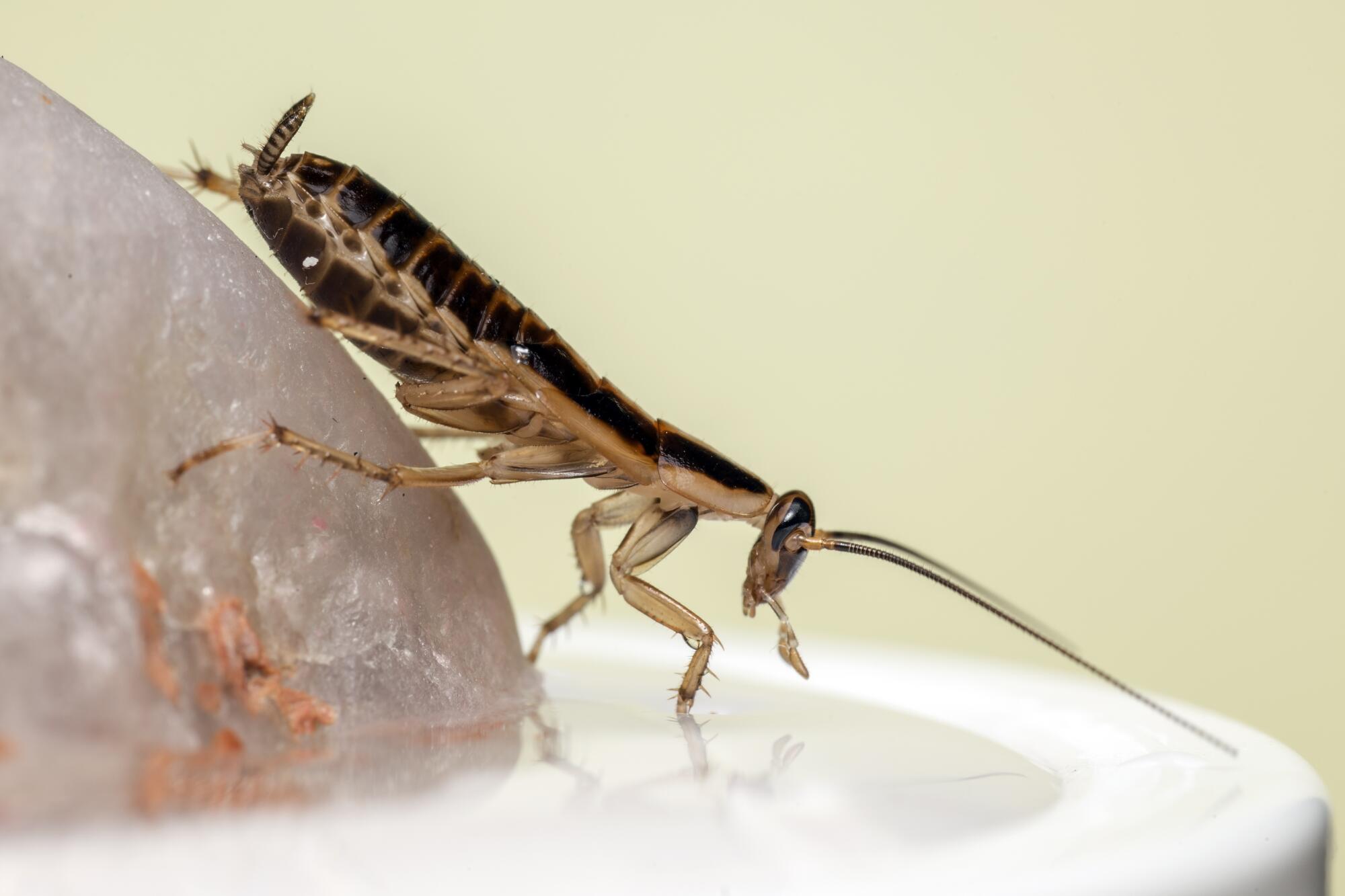
Roaches get into homes through tiny gaps, plumbing lines, and everyday items brought inside. A hidden German cockroach nest can form quickly once they find food, water, and warmth. These pests are small, fast, and built to survive in tight spaces, which makes them hard to spot early. In fact, the Census
Pest ID: Fleas
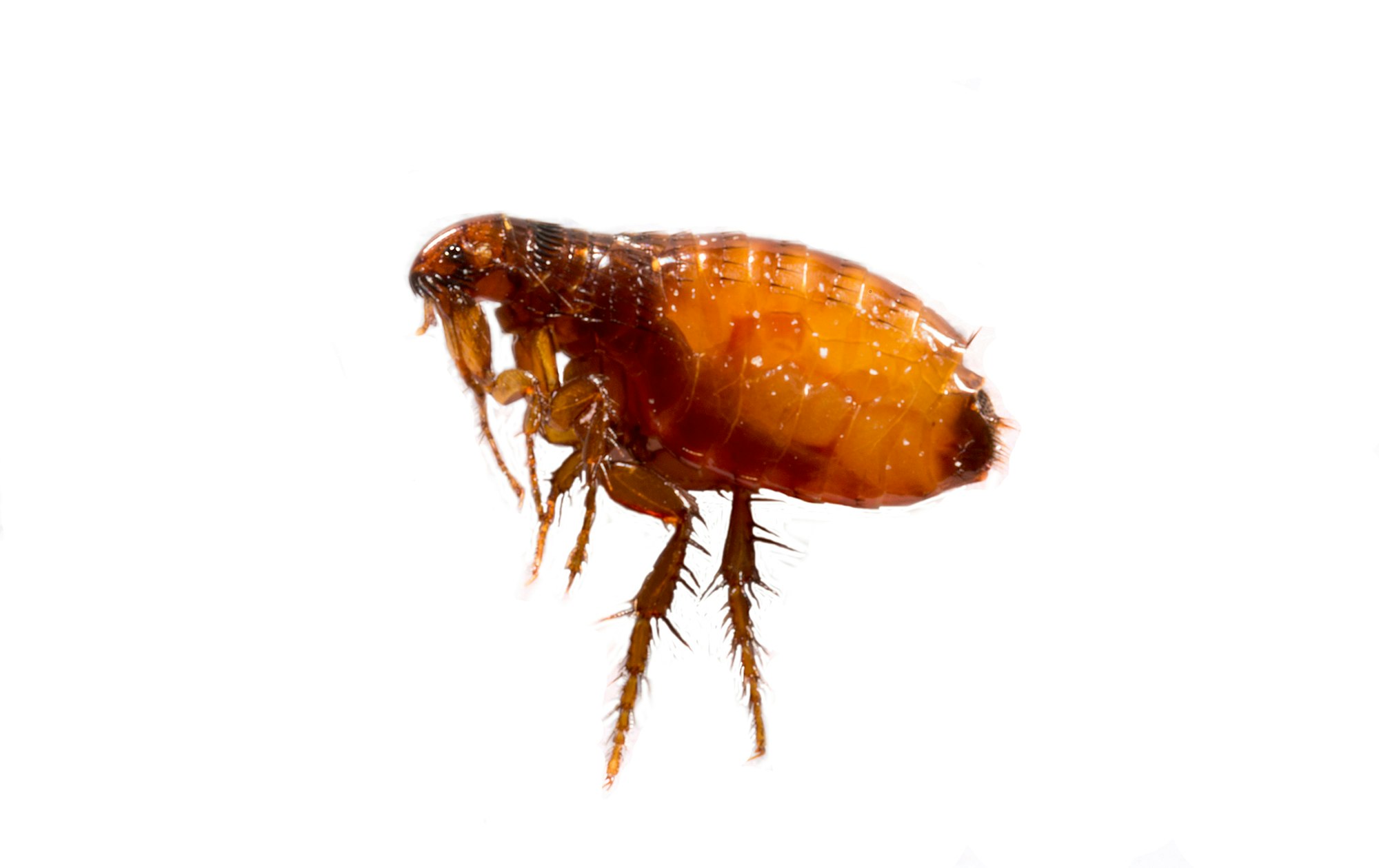
Fleas are not only a nuisance but also a threat to our pets and health. Did you know that adult fleas account for only 5% of the total flea population? Eggs and larvae make up a staggering 85% of the population, making it difficult to eradicate them entirely. Discover how
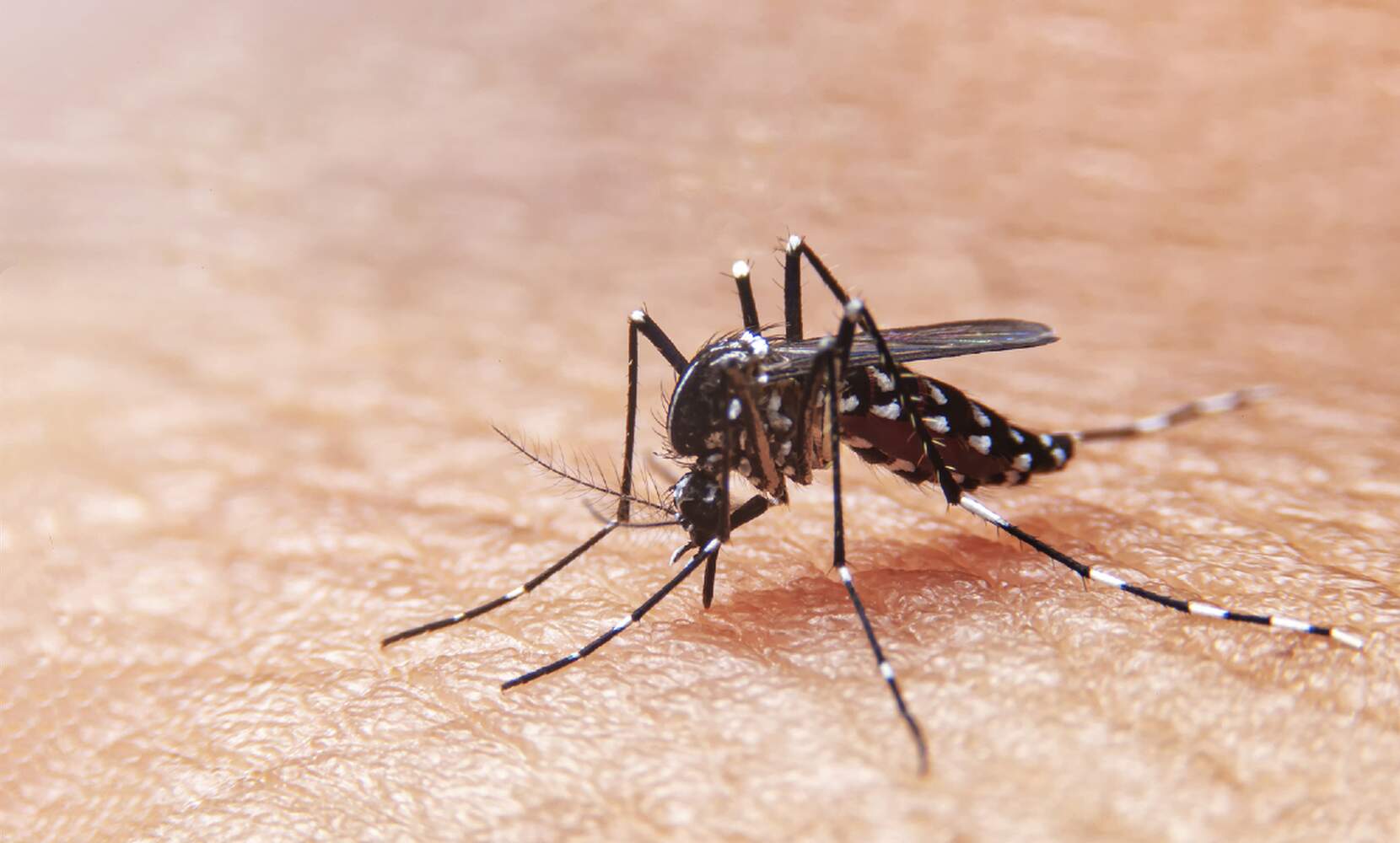
Pest ID: Mosquitoes
Description: There are over 85 species of mosquitoes in Texas! The most common mosquitoes are long legged insects with 2 wings. They are identifiable by 3 major characteristics: long, many segmented antennae, an elongated piercing and sucking mouthpart (almost beak-like), and scales on the wing veins and margins. Lifecycle: The