
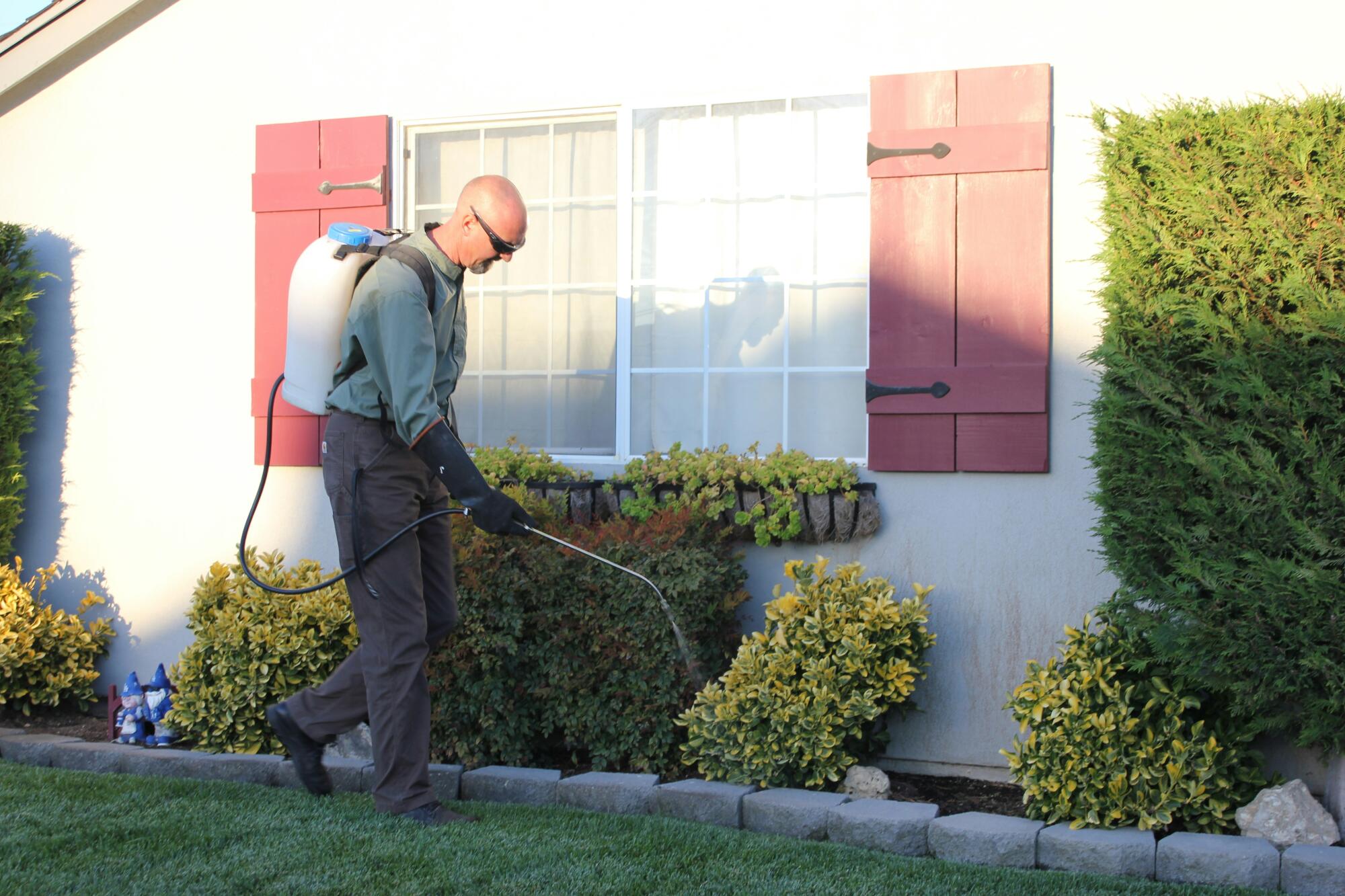
Rodents can seriously damage HVAC systems by chewing wiring, nesting inside equipment, and contaminating ductwork with droppings and urine. The best protection combines residential pest control services that can identify hidden access points before infestations cause expensive repairs or reduce indoor air quality with:
- Routine inspections
- Sealing entry points
- Good sanitation
The EPA warns that rodents can squeeze through openings as small as a 1/4 inch and that, once inside HVAC systems, they can spread allergens and contaminants throughout a home. If you’ve noticed unusual noises, foul odors, or signs of chewing around your heating and cooling equipment, acting quickly can prevent minor rodent activity from becoming a costly system failure.
Understanding the Threat to HVAC Systems
When rodents infiltrate your HVAC systems, they not only pose a threat to the equipment but also to the indoor air quality of your home. Rodents are notorious for:
- Causing chewed electrical wiring
- Damaging insulation
- Destroying other critical HVAC components
This can lead to electrical failures, fires, or even a complete breakdown of your HVAC system. Their droppings and urine can introduce allergens and pathogens, further compromising your home’s safety and comfort.
Effective Ways To Protect Your HVAC Systems
Implementing effective pest control strategies can drastically reduce the chances of rodents nesting in your HVAC systems. Here are some steps you can take to safeguard your systems:
- Regular Inspections: Schedule regular inspections of your HVAC systems to detect any signs of rodent activity, such as chewed wires or nesting materials
- Seal Entry Points: Inspect your home for gaps and holes, and seal any openings with appropriate materials and install rodent exclusion barriers around vulnerable access points to prevent future infestations
- Maintain Cleanliness: Keep the area around your HVAC equipment clean and free from clutter, which can provide shelter for rodents
- Professional Pest Control: Consider hiring a professional pest control service specializing in residential pest management to conduct routine treatments
- Use Rodent Deterrents: There are several deterrent products available that can help keep rodents at bay, including natural repellents and electronic devices
Taking these steps can significantly reduce the risk of rodents gaining a foothold in your HVAC system. However, a proactive approach is often the most effective way to prevent problems before they start.
Why Professional Residential Pest Control Is Essential
While DIY solutions can help, there’s no substitute for professional expertise, particularly when dealing with stubborn rodent infestations. A specialized residential pest control company can:
- Assess your home’s unique challenges,
- Recommend crawl space duct sealing where needed
- Provide tailored strategies to eliminate existing pests and prevent future infestations
Protect Your Investment With BBK Pest Control
Regular inspections, prompt repairs, and professional residential pest control can reduce costly damage while helping maintain cleaner indoor air.
BBK Pest Control has been serving the North Texas community for years, specializing in treating a wide range of pests that threaten your home, including rodents. Our team understands the unique challenges posed by local wildlife and is ready to help you safeguard your HVAC systems.
Don’t wait until it’s too late; contact us today to learn more about our residential pest control services and ensure your HVAC systems stay safe and functional!