
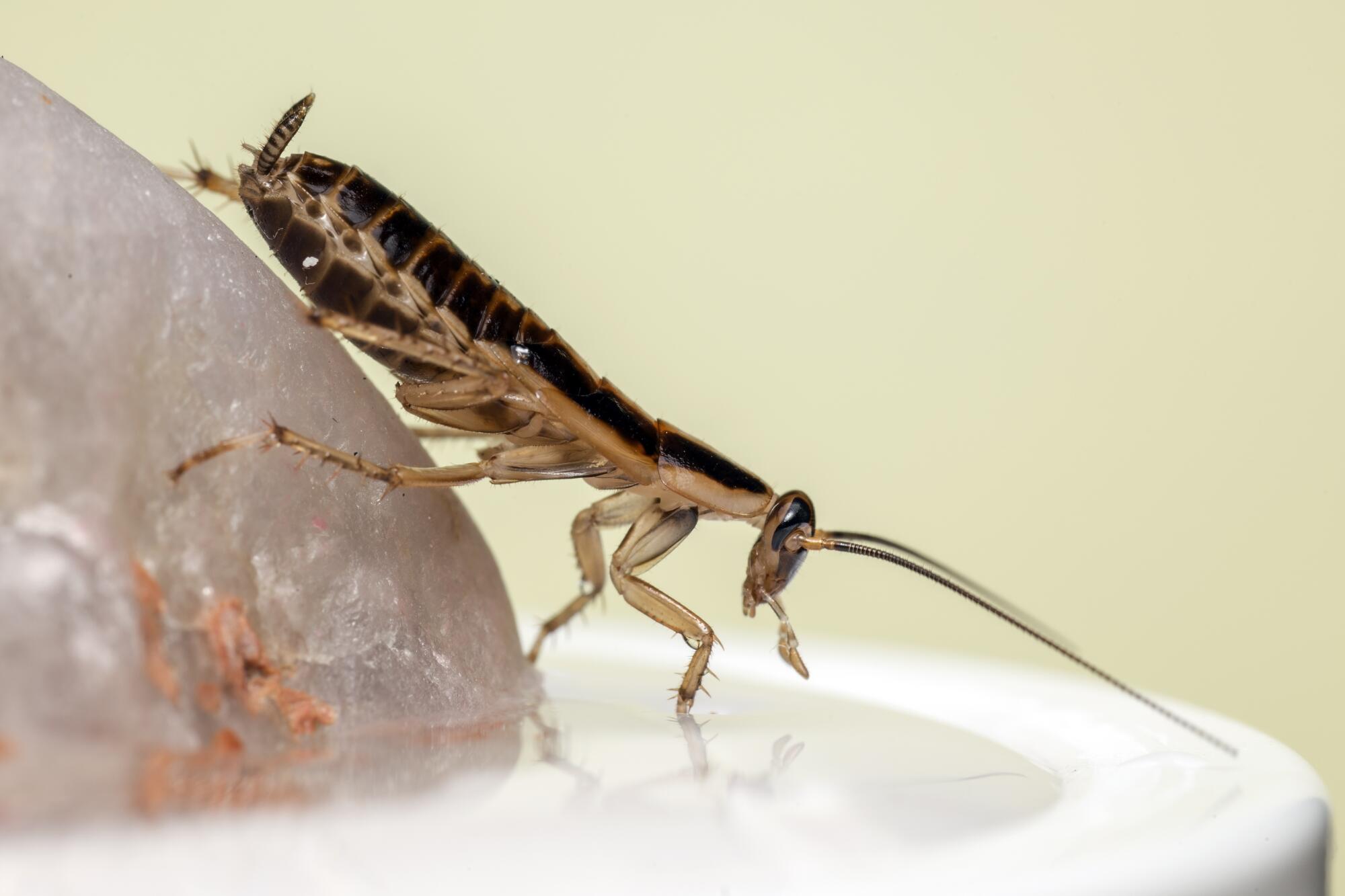
Roaches get into homes through tiny gaps, plumbing lines, and everyday items brought inside. A hidden German cockroach nest can form quickly once they find food, water, and warmth. These pests are small, fast, and built to survive in tight spaces, which makes them hard to spot early.
In fact, the Census Bureau reports millions of U.S. homes deal with roaches every year. In North Texas, heat and humidity make the problem worse. Once inside, they multiply fast and spread through kitchens, bathrooms, and walls.
This guide explains how roaches get in, where they hide, and how North Texas pest control stops them.
How Do Roaches Get in a House?
Roaches enter homes through small cracks, vents, and gaps around doors and windows. They can squeeze through spaces as thin as a credit card, which makes sealing your home more important than most people realize.
They also travel through plumbing and shared walls in apartments. If one unit has roaches, others often follow. This is why early action matters.
Research shows that higher infestations lead to increased indoor allergens and health risks. The problem grows when food crumbs, grease, and moisture are left unchecked. Even small habits can support a growing infestation.
What Are the Most Common Roach Entry Points?
Common roach entry points include gaps around pipes, attic vents, and damaged door seals. These areas often go unnoticed until an infestation is already active.
Roaches also enter through grocery bags, cardboard boxes, and used furniture. They do not need an open door to get inside. Even clean homes can unknowingly bring them in.
Where Do Roaches Hide Inside the Home?
Once inside, roaches stay close to food and water sources. They hide behind appliances and electronics, inside cabinets, and under sinks during the day.
They also gather in warm, dark areas like wall voids and electrical outlets. If you see one roach, there are usually many more hiding.
What Are the Signs of a German Roach Infestation?
Clear signs of a German roach infestation include droppings, egg cases, and a musty odor. You may also notice smear marks near walls and cabinets. To learn how to identify them, review this German cockroach identification guide.
Roaches are most active at night. Seeing them during the day usually means the infestation is already severe.
Another common species is the American roach. You can compare behavior using this American cockroach resource.
How Can You Eliminate Roach Infestations and Prevent Them?
To eliminate roach infestations, you need:
- Sanitation
- Sealing entry points
- Professional treatment
DIY methods may reduce activity but rarely remove the source.
Simple cockroach prevention tips include storing food in sealed containers, cleaning daily, and fixing leaks. Prevention works best when it is consistent.
Many homeowners search for an exterminator near me after the problem gets out of control. Professional residential pest control offers targeted treatments.
Stop a German Cockroach Nest Before it Takes Over
Roaches get in through small gaps, daily items, and moisture areas, then spread fast. A hidden German cockroach nest can grow quickly without warning.
Real control means finding the source and cutting it off completely. BBK Pest Control combines local experience with detailed inspections across Dallas and surrounding areas to target infestations at the root.
If you want reliable home pest solutions that actually work, contact us today!